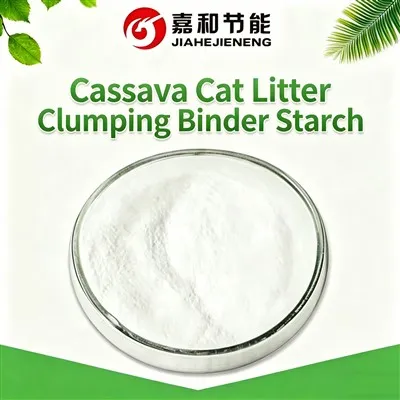
As a dedicated supplier of metallurgical pellet binders, I understand the critical role that proper storage plays in maintaining the quality and effectiveness of our products. In this blog post, I will delve into the essential storage requirements for metallurgical pellet binders, offering insights based on our years of experience in the industry. Metallurgical Pellet Binder
Understanding Metallurgical Pellet Binders
Before we discuss storage requirements, it’s important to understand what metallurgical pellet binders are and why they are vital in the metallurgical process. Metallurgical pellet binders are substances used to agglomerate fine ore particles into pellets, which are then used in blast furnaces and other metallurgical processes. These binders enhance the physical and chemical properties of the pellets, improving their strength, durability, and performance during smelting.
General Storage Guidelines
Temperature Control
Temperature is one of the most crucial factors in storing metallurgical pellet binders. Most binders are sensitive to temperature fluctuations, which can affect their chemical stability and functionality. In general, it is recommended to store these binders in a temperature – controlled environment.
For organic binders, which are commonly used in the metallurgical industry, excessive heat can cause decomposition or degradation. Temperatures above 50°C (122°F) may accelerate the aging process, reducing the binder’s ability to form strong bonds between ore particles. On the other hand, extremely low temperatures, below – 10°C (14°F), can cause the binder to become brittle or solidify, making it difficult to handle and mix with the ore.
The ideal storage temperature range for most organic metallurgical pellet binders is between 10°C (50°F) and 30°C (86°F). This range ensures that the binder remains in a stable state, preserving its chemical properties and binding efficacy.
In contrast, some inorganic binders may be more heat – resistant but can be affected by low – humidity environments at low temperatures. For example, certain cement – based binders may lose their binding capacity if exposed to freezing temperatures before they are properly hydrated. Therefore, it is essential to follow the specific temperature recommendations provided by the binder manufacturer.
Humidity Management
Humidity also has a significant impact on the storage of metallurgical pellet binders. High humidity levels can cause moisture absorption, which may lead to clumping, caking, or chemical reactions in the binder. Organic binders, in particular, are prone to mold growth and microbial degradation in humid conditions.
To prevent these issues, it is advisable to store pellet binders in a dry environment with a relative humidity of less than 60%. If the storage area is located in a region with high humidity, dehumidifiers can be used to maintain the appropriate moisture level. Additionally, the binders should be stored in sealed containers to minimize contact with the surrounding air.
Inorganic binders may also react with moisture in the air. For example, some binders containing calcium oxide may absorb water and form calcium hydroxide, which can alter their properties. Therefore, proper humidity control is essential for both organic and inorganic metallurgical pellet binders.
Ventilation
Good ventilation is necessary to prevent the accumulation of fumes and gases that may be released by the binders. Some organic binders may emit volatile organic compounds (VOCs) during storage, especially if they are exposed to heat or sunlight. These VOCs can be harmful to human health and may also affect the quality of the binder.
A well – ventilated storage area helps to dissipate these fumes, reducing the risk of exposure and maintaining a safe working environment. The ventilation system should be designed to provide a continuous supply of fresh air and remove any pollutants from the storage space.
Storage Containers
Type of Containers
The choice of storage containers is crucial for protecting metallurgical pellet binders. The containers should be made of materials that are resistant to corrosion, moisture, and chemical reactions. For most binders, plastic or metal drums are commonly used.
Plastic drums are lightweight, easy to handle, and resistant to corrosion. They are suitable for storing both organic and inorganic binders. However, it is important to ensure that the plastic is of high quality and does not react with the binder. Some binders may contain solvents or chemicals that can dissolve or degrade certain types of plastic, so it is essential to choose a compatible plastic material.
Metal drums, such as steel drums, are more durable and can provide better protection against physical damage. They are also suitable for storing binders that require a higher level of security, such as those containing hazardous chemicals. However, metal drums are prone to rusting if they are exposed to moisture, so they should be properly coated or painted to prevent corrosion.
Sealing
Proper sealing of the storage containers is essential to prevent moisture, air, and contaminants from entering. The containers should be equipped with tight – fitting lids or caps that provide a reliable seal. For large – scale storage, bulk storage silos can be used, but they also need to be properly sealed and maintained to ensure the quality of the binder.
Storage Location
Indoor vs. Outdoor Storage
Indoor storage is generally preferred for metallurgical pellet binders because it provides better control over temperature, humidity, and other environmental factors. Indoor storage facilities can be equipped with heating, ventilation, and air – conditioning (HVAC) systems to maintain the ideal storage conditions.
However, in some cases, outdoor storage may be necessary due to space limitations or other reasons. If outdoor storage is used, the binders should be protected from direct sunlight, rain, and snow. They can be stored under covered structures or in sealed containers placed on pallets to prevent contact with the ground.
Separation from Other Materials
Metallurgical pellet binders should be stored separately from other materials to avoid cross – contamination. They should not be stored near chemicals, fuels, or other substances that may react with the binder. Additionally, different types of binders should be stored in separate areas to prevent mix – ups and ensure proper identification.
Monitoring and Inspection
Regular monitoring and inspection of the stored binders are essential to ensure their quality and safety. The temperature and humidity levels in the storage area should be checked daily, and records should be kept to track any changes.
Visual inspections should also be carried out regularly to check for signs of damage, such as leaks, rust, or mold growth. If any issues are detected, appropriate measures should be taken immediately to prevent further damage.
Benefits of Proper Storage
Proper storage of metallurgical pellet binders offers several benefits. Firstly, it ensures the quality and consistency of the binders, which in turn improves the performance of the pellets in the metallurgical process. Pellets made with high – quality binders have better strength, porosity, and reducibility, resulting in higher production efficiency and lower energy consumption.
Secondly, proper storage reduces the risk of waste and product loss. By preventing degradation and contamination, the binders can be used for their intended purpose without any significant reduction in quality, saving both time and money.
Finally, it enhances safety in the workplace. By following the proper storage requirements, the risk of exposure to hazardous substances and the occurrence of accidents can be minimized.
Contact for Procurement
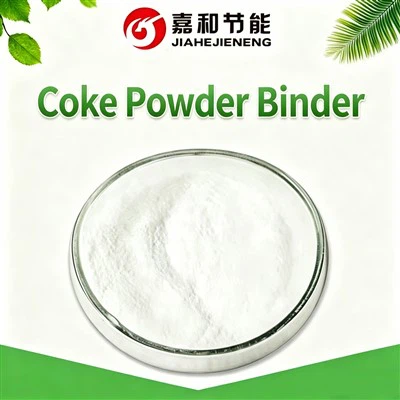
Cat Litter Clumping Binder If you are in the market for high – quality metallurgical pellet binders and want to learn more about our products and storage recommendations, please feel free to reach out to us. We are committed to providing the best solutions for your metallurgical needs and ensuring that our binders are stored and used in the most effective way.
References
- Smith, J. (2020). Handbook of Metallurgical Binders. Metallurgy Press.
- Jones, A. (2018). Storage and Handling of Industrial Chemicals. Chemical Industries Journal.
- Brown, C. (2019). Environmental Factors Affecting the Quality of Metallurgical Pellets. Metallurgical Research Quarterly.
Ningjin Jiahe Energy Saving Materials Co., Ltd.
As one of the most professional metallurgical pellet binder manufacturers and suppliers in China, our products have good reputation in the market. Please feel free to wholesale high quality metallurgical pellet binder made in China here from our factory. We also accept customized orders.
Address: West 100 meters south of the intersection of Hongtu Road and Sanling Street, Ningjin Economic Development Zone, Dezhou City, Shandong Province(Place of Business: East Side, North End of Industrial 3rd Road, Eastern New Area, Ningjin County, Dezhou City, Shandong Province)
E-mail: jhyangxinyu@gmail.com
WebSite: https://www.jiahestarch.com/
