Can a microphone cable be used in a marine environment? Microphone Cable

As a dedicated supplier of microphone cables, I often encounter inquiries from customers about the applicability of our products in diverse settings. Among these, the question of using microphone cables in a marine environment is not only frequently asked but also carries significant implications due to the unique challenges presented by such a harsh and demanding milieu.
Understanding the Marine Environment
The marine environment is characterized by a combination of factors that can pose substantial threats to most electronic components, including microphone cables. High humidity is a constant presence over the ocean, with moisture levels often reaching near – saturation points. This humidity can lead to the formation of condensation on the surface of the cables, which may seep into the internal structure over time.
Saltwater is another major concern. The salt content in seawater is highly corrosive. When a microphone cable is exposed to saltwater, either through direct contact or via salt – laden mist, the salt can corrode the metal conductors and connectors within the cable. This corrosion can disrupt the electrical conductivity, leading to signal loss, interference, and ultimately, cable failure.
In addition to humidity and saltwater, the marine environment is also subject to extreme temperature variations. During the day, the sun can heat the cables to high temperatures, while at night, the temperatures can drop significantly. These thermal cycles can cause the materials in the cable to expand and contract, potentially leading to mechanical stress, cracking, and damage to the cable’s insulation and other components.
Characteristics of Standard Microphone Cables
Standard microphone cables are typically designed for use in indoor or relatively benign outdoor environments. They are constructed with a core of conductive materials, usually copper, which is responsible for transmitting the audio signal. Surrounding the core is an insulation layer, often made of materials like PVC or polyethylene, to prevent electrical leakage and interference.
The outer jacket of a standard microphone cable is usually made of a flexible and durable plastic material that provides physical protection to the internal components. However, these materials are not typically designed to withstand the harsh conditions of the marine environment. For example, the insulation materials may break down under the influence of saltwater and high humidity, and the outer jacket may become brittle or damaged due to temperature variations.
Can Standard Microphone Cables Be Used in a Marine Environment?
The short answer is that most standard microphone cables are not suitable for long – term use in a marine environment. The combination of high humidity, saltwater corrosion, and temperature fluctuations will quickly degrade the performance of a standard microphone cable.
The saltwater can corrode the copper conductors, increasing the resistance of the cable and causing signal attenuation. This means that the audio signal transmitted through the cable will be weaker and of lower quality. The high humidity can also lead to the growth of mold and mildew on the cable, which can not only damage the cable’s appearance but also affect its electrical performance.
Moreover, the temperature variations can cause the cable’s insulation and jacket to crack or separate, exposing the internal conductors to further damage. Once the internal conductors are exposed, the risk of short – circuits and complete cable failure increases significantly.
Modified Microphone Cables for Marine Use
However, this does not mean that microphone cables cannot be used in a marine environment at all. With the right modifications, microphone cables can be made suitable for such challenging conditions.
One of the key modifications is to use corrosion – resistant materials. Instead of standard copper conductors, cables can be made with silver – plated or gold – plated copper for better corrosion resistance. These precious metal coatings act as a barrier between the copper and the corrosive saltwater, significantly reducing the rate of corrosion.
Another important modification is to improve the cable’s insulation and waterproofing. Specialized waterproof insulation materials can be used to prevent moisture from seeping into the cable. Additionally, the outer jacket can be made of a more robust and waterproof material, such as neoprene or polyurethane. These materials are not only resistant to water but also have better flexibility and durability in the face of temperature variations.
Sealed connectors are also crucial for marine – grade microphone cables. The connectors should be designed to prevent water and salt from entering the connection points, which are often the most vulnerable parts of the cable. Using waterproof connectors with rubber gaskets or O – rings can effectively seal the connection and ensure a reliable audio signal.
Benefits of Using Suitable Microphone Cables in the Marine Environment
Using properly modified microphone cables in a marine environment offers several benefits. Firstly, it ensures high – quality audio transmission. In marine applications such as on boats, ships, or underwater recording, clear and reliable audio signals are essential for communication, entertainment, and data collection. A well – designed marine – grade microphone cable can minimize signal loss and interference, providing crisp and accurate audio.
Secondly, it increases the lifespan of the cables. By using corrosion – resistant materials and robust construction, the cables can withstand the harsh marine conditions for a longer period. This reduces the need for frequent cable replacements, saving time and money in the long run.
Finally, it enhances the overall reliability of the audio system. A reliable audio system is crucial in a marine setting, where communication can be a matter of safety. By using marine – grade microphone cables, the risk of cable – related failures is significantly reduced, ensuring that the audio system functions properly when needed.
Our Role as a Microphone Cable Supplier
As a leading supplier of microphone cables, we recognize the importance of providing solutions for the marine industry. Our research and development team is constantly working on improving the design and manufacturing of our cables to meet the specific requirements of the marine environment.
We offer a range of marine – grade microphone cables that are specifically engineered to withstand high humidity, saltwater corrosion, and temperature variations. Our cables are made with high – quality, corrosion – resistant materials and feature advanced insulation and waterproofing technologies. We also pay close attention to the design of the connectors, ensuring that they are sealed and reliable for long – term use in the marine environment.
Whether you are involved in marine communication, underwater recording, or entertainment on board a vessel, our marine – grade microphone cables can provide you with the performance and reliability you need. We understand that every application is unique, and we are committed to working closely with our customers to develop customized solutions that meet their specific needs.
Why Choosing the Right Supplier Matters
When it comes to sourcing microphone cables for the marine environment, choosing the right supplier is crucial. A reliable supplier should not only offer high – quality products but also provide excellent customer service and technical support.
At our company, we have a team of experienced technicians who can offer expert advice on cable selection, installation, and maintenance. We also provide comprehensive testing and quality control procedures to ensure that every cable leaving our factory meets the highest standards.
In addition, we are committed to continuous improvement and innovation. We keep up with the latest technological advancements in the cable industry and incorporate new materials and manufacturing techniques into our products to provide our customers with the best possible solutions.
Encouraging Contact for Procurement
If you are in need of microphone cables for your marine applications, we invite you to contact us for a detailed discussion. Our team of experts is ready to understand your specific requirements and recommend the most suitable solutions for you. Whether you need a small quantity for a personal project or a large – scale order for a commercial operation, we have the capacity and expertise to meet your needs.
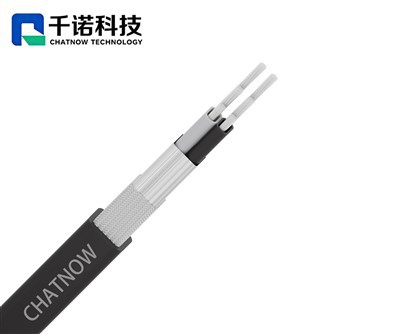
We believe that our marine – grade microphone cables can provide you with the performance, reliability, and durability you need in the challenging marine environment. By choosing our products, you can ensure clear and high – quality audio transmission, reduce downtime due to cable failures, and ultimately save costs in the long term.
Canbus Cable So, don’t hesitate to reach out to us for more information. We are looking forward to working with you and helping you find the perfect microphone cable solutions for your marine applications.
References
- Electro – magnetic Compatibility in the Marine Environment. Published by the International Electrotechnical Commission (IEC).
- Handbook of Cable Engineering. Authors: Andrew Halpin, Carl M. Reese.
- Ocean Engineering Research and Development. Journal that often features articles on equipment durability in marine settings.
Zhejiang Chatnow New Material Technology Co., Ltd.
Zhejiang Chatnow New Material Technology Co., Ltd. is well-known as one of the leading microphone cable manufacturers and suppliers in China, specialized in providing high quality customized service. Please feel free to wholesale high-grade microphone cable at competitive price from our factory.
Address: Building 12, No.9 Huajin Road, ZhouWangMiao Town Innovation Center, Haining, Zhejiang 314400
E-mail: info@chatnow-cable.com
WebSite: https://www.chatnow-cable.com/
