As a supplier of molybdenum alloy, I’ve witnessed firsthand the profound impact that surface treatment can have on the performance of these remarkable materials. Molybdenum alloys are renowned for their high melting points, excellent thermal conductivity, and exceptional mechanical properties, making them indispensable in a wide range of industries, from aerospace and electronics to energy and manufacturing. However, the surface characteristics of molybdenum alloys play a crucial role in determining their overall performance and suitability for specific applications. Molybdenum Alloy

1. The Basics of Molybdenum Alloy Surface Treatment
Surface treatment refers to the process of modifying the surface properties of a material to enhance its performance, durability, and functionality. In the case of molybdenum alloys, surface treatment can be used to improve corrosion resistance, reduce friction, increase wear resistance, and enhance adhesion. There are several common surface treatment methods for molybdenum alloys, each with its own unique advantages and applications.
1.1 Coating
Coating is one of the most widely used surface treatment methods for molybdenum alloys. By applying a thin layer of a protective material to the surface of the alloy, coatings can provide a barrier against corrosion, oxidation, and wear. Common coating materials for molybdenum alloys include ceramics, metals, and polymers. For example, ceramic coatings such as titanium nitride (TiN) and chromium nitride (CrN) can significantly improve the hardness and wear resistance of molybdenum alloys, making them suitable for applications in cutting tools and wear-resistant components. Metal coatings, such as nickel and copper, can enhance the corrosion resistance of molybdenum alloys, while polymer coatings can provide a smooth and low-friction surface.
1.2 Heat Treatment
Heat treatment is another important surface treatment method for molybdenum alloys. By heating the alloy to a specific temperature and then cooling it at a controlled rate, heat treatment can modify the microstructure and properties of the surface layer. This can improve the hardness, strength, and toughness of the alloy, as well as its resistance to corrosion and oxidation. For example, annealing can be used to relieve internal stresses in the alloy and improve its ductility, while quenching and tempering can increase the hardness and strength of the alloy.
1.3 Chemical Treatment
Chemical treatment involves the use of chemical agents to modify the surface properties of molybdenum alloys. This can include processes such as passivation, pickling, and electroplating. Passivation is a process that forms a thin, protective oxide layer on the surface of the alloy, which can improve its corrosion resistance. Pickling is used to remove surface impurities and scale from the alloy, while electroplating can be used to deposit a thin layer of a metal or alloy on the surface of the alloy to improve its appearance, corrosion resistance, or electrical conductivity.
2. Impact of Surface Treatment on Corrosion Resistance
Corrosion is a major concern in many applications of molybdenum alloys, especially in environments where the alloy is exposed to harsh chemicals, high temperatures, or moisture. Surface treatment can significantly improve the corrosion resistance of molybdenum alloys by providing a protective barrier against corrosive agents.
2.1 Coating for Corrosion Protection
Coatings are an effective way to protect molybdenum alloys from corrosion. For example, a ceramic coating such as TiN can provide a hard and dense layer that acts as a barrier against corrosive agents. The coating can prevent the penetration of oxygen, moisture, and other corrosive substances into the alloy, thereby reducing the risk of corrosion. In addition, some coatings can also have self-healing properties, which can repair minor damage to the coating and maintain its protective function.
2.2 Passivation for Corrosion Resistance
Passivation is a simple and cost-effective method for improving the corrosion resistance of molybdenum alloys. By treating the alloy with a passivating agent, such as nitric acid or chromic acid, a thin oxide layer can be formed on the surface of the alloy. This oxide layer is stable and can prevent the further oxidation and corrosion of the alloy. Passivation is commonly used in the aerospace and electronics industries to protect molybdenum alloy components from corrosion.
3. Influence of Surface Treatment on Wear Resistance
Wear is another important factor that can affect the performance and lifespan of molybdenum alloy components. Surface treatment can improve the wear resistance of molybdenum alloys by increasing the hardness and smoothness of the surface.
3.1 Coating for Wear Resistance
Coatings can significantly improve the wear resistance of molybdenum alloys. For example, a hard ceramic coating such as CrN can increase the hardness of the surface of the alloy, making it more resistant to abrasion and wear. The coating can also reduce the friction between the alloy and the contacting surface, which can further reduce wear. In addition, some coatings can have self-lubricating properties, which can provide a smooth and low-friction surface, reducing wear and extending the lifespan of the component.
3.2 Heat Treatment for Wear Resistance
Heat treatment can also improve the wear resistance of molybdenum alloys. By quenching and tempering the alloy, the hardness and strength of the surface layer can be increased, making it more resistant to wear. In addition, heat treatment can also refine the microstructure of the alloy, which can improve its toughness and fatigue resistance, further enhancing its wear resistance.
4. Effect of Surface Treatment on Adhesion
Adhesion is an important property in many applications of molybdenum alloys, especially in cases where the alloy needs to be bonded to other materials. Surface treatment can improve the adhesion of molybdenum alloys by increasing the surface roughness and chemical reactivity.
4.1 Surface Roughness and Adhesion
Increasing the surface roughness of molybdenum alloys can improve their adhesion to other materials. By using methods such as sandblasting or etching, the surface of the alloy can be made rougher, providing more surface area for bonding. The rough surface can also create mechanical interlocking between the alloy and the bonding material, enhancing the adhesion strength.
4.2 Chemical Treatment for Adhesion
Chemical treatment can also improve the adhesion of molybdenum alloys. By treating the alloy with a chemical agent, such as a coupling agent or a primer, the surface of the alloy can be made more chemically reactive, improving its adhesion to other materials. For example, a silane coupling agent can be used to modify the surface of the molybdenum alloy, making it more compatible with organic polymers and improving the adhesion between the alloy and the polymer.
5. Conclusion and Call to Action
In conclusion, surface treatment plays a crucial role in determining the performance of molybdenum alloys. By using appropriate surface treatment methods, we can improve the corrosion resistance, wear resistance, and adhesion of molybdenum alloys, making them more suitable for a wide range of applications. As a molybdenum alloy supplier, we have extensive experience and expertise in surface treatment, and we can provide customized surface treatment solutions to meet the specific needs of our customers.
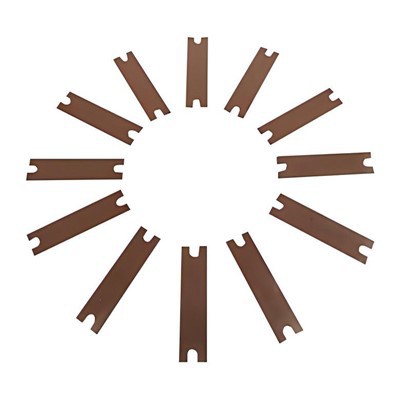
If you are interested in learning more about our molybdenum alloy products and surface treatment services, or if you have any questions or requirements, please feel free to contact us. We look forward to discussing your needs and providing you with the best solutions for your applications.
References
Titanium Sheet and Plate -ASM Handbook, Volume 5: Surface Engineering, ASM International.
-Schwartz, M. M. (2004). Surface Treatment of Metals: Principles and Practice. CRC Press.
-Wilson, W. D. (2005). Corrosion and Corrosion Control: An Introduction to Corrosion Science and Engineering. Wiley.
China Super Tech Co., Ltd.
As one of the most professional molybdenum alloy manufacturers and suppliers in China, we warmly welcome you to buy OEM molybdenum alloy from our factory. All custom made products are with high quality and competitive price. Contact us for quotation.
Address: Wangjing Science and Technology Park, Guangshun North Street, Chaoyang District, Beijing
E-mail: sales@moly-tungsten.com
WebSite: https://www.moly-tungsten.com/
