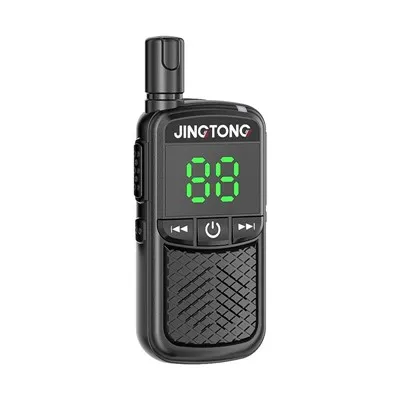
The history of analog radio is a captivating journey that spans over a century, marked by significant technological advancements, cultural shifts, and global impact. As a dedicated analog radio supplier, I’ve witnessed firsthand the enduring appeal and practicality of these devices. In this blog, I’ll take you through the evolution of analog radio, from its humble beginnings to its current status in the modern world. Analog Radio
The Birth of Radio
The story of analog radio begins in the late 19th century with the groundbreaking work of inventors such as Guglielmo Marconi and Nikola Tesla. Marconi, an Italian inventor, is often credited with the development of the first practical radio communication system. In 1895, he successfully transmitted a radio signal over a distance of about 1.5 miles, marking a significant milestone in the history of wireless communication.
Marconi’s early experiments laid the foundation for the development of radio technology. He continued to refine his system, and in 1901, he achieved the first trans – Atlantic radio transmission, sending a simple Morse code signal from Cornwall, England, to Newfoundland, Canada. This achievement demonstrated the potential of radio for long – distance communication and opened up new possibilities for global connectivity.
The Golden Age of Radio
The 1920s and 1930s are often referred to as the "Golden Age of Radio." During this period, radio became a mass medium, reaching millions of households around the world. The development of AM (Amplitude Modulation) radio technology allowed for the transmission of voice and music, making radio a popular form of entertainment and information.
Radio stations began to spring up across the United States and Europe, offering a diverse range of programming, including news, music, dramas, and comedies. Shows like "The Shadow," "The Lone Ranger," and "Amos ‘n’ Andy" became cultural phenomena, captivating audiences with their engaging storylines and memorable characters.
Advertisers quickly recognized the potential of radio as a marketing tool. Radio commercials became a common feature, promoting products and services to a wide audience. This led to the growth of the radio advertising industry, which played a crucial role in the economic success of radio stations.
FM Radio and Technological Advancements
In the 1930s, a new form of radio technology emerged: FM (Frequency Modulation). Developed by Edwin Howard Armstrong, FM radio offered several advantages over AM radio, including better sound quality, less interference, and a wider frequency range.
FM radio stations began to gain popularity in the 1940s and 1950s, especially for music programming. The superior sound quality of FM made it the preferred choice for listeners who wanted to enjoy high – fidelity music. As a result, many radio stations switched from AM to FM, and the FM band became the dominant format for music radio.
Over the years, radio technology continued to evolve. Transistors, which were invented in the 1940s, replaced vacuum tubes in radio receivers, making them smaller, more portable, and more energy – efficient. This led to the development of portable radios, which became a popular consumer item in the 1950s and 1960s.
The Decline and Resurgence of Analog Radio
With the advent of digital technologies in the late 20th century, analog radio faced significant challenges. The rise of television, cable, and the internet led to a decline in radio listenership, as audiences were drawn to these new forms of media. However, analog radio has shown remarkable resilience and has experienced a resurgence in recent years.
One of the reasons for the resurgence of analog radio is its simplicity and reliability. Analog radios are easy to use, do not require a complex digital infrastructure, and can operate in areas with poor or no internet connectivity. They are also more affordable than many digital devices, making them accessible to a wide range of consumers.
In addition, analog radio continues to play an important role in emergency communication. During natural disasters or other emergencies, analog radio can provide vital information when other forms of communication may be disrupted. Many emergency management agencies rely on analog radio systems to coordinate their response efforts and keep the public informed.
The Role of Analog Radio in the Modern World
Today, analog radio remains an important part of the global media landscape. It serves a variety of purposes, from providing entertainment and information to facilitating communication in remote areas.
In many parts of the world, analog radio is still the primary source of news and entertainment for a large portion of the population. In developing countries, where access to digital technologies may be limited, analog radio plays a crucial role in reaching rural and underserved communities.
Moreover, analog radio has found a niche in certain specialized applications. For example, amateur radio operators use analog radio to communicate with each other around the world, sharing information and participating in various radio – related activities. Marine and aviation industries also rely on analog radio for communication and navigation purposes.
Why Choose Our Analog Radios
As a supplier of analog radios, we take pride in offering high – quality products that meet the diverse needs of our customers. Our analog radios are designed with durability, reliability, and ease of use in mind.
We understand the importance of clear and reliable communication, whether it’s for personal use, professional applications, or emergency situations. That’s why our radios are equipped with advanced features such as strong signal reception, long – range transmission, and user – friendly controls.
Our product range includes a variety of analog radios, from compact handheld models to more powerful base stations. Whether you’re a hobbyist, a professional in the field of communication, or someone who needs a reliable radio for emergency preparedness, we have the right solution for you.
Contact Us for Your Analog Radio Needs
If you’re interested in purchasing analog radios for your personal or professional use, we’d love to hear from you. Our team of experts is ready to assist you in choosing the right radio for your specific requirements. We offer competitive pricing, excellent customer service, and fast shipping.
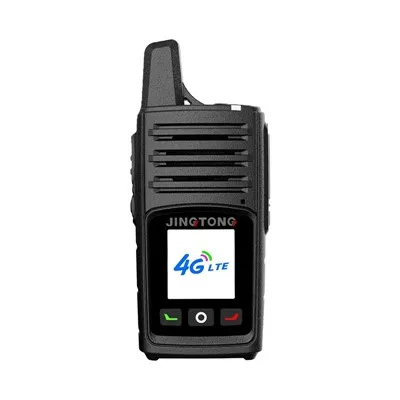
3 Watt Walkie Talkie Whether you’re looking for a single radio or a large – scale order for your organization, we can provide you with the products and support you need. Don’t hesitate to reach out to us to discuss your analog radio needs and start a fruitful business relationship.
References
- "The History of Radio" by Susan Douglas
- "Radio: An Illustrated History of the Golden Age" by Jim Cox
- "The Invention of Radio" by Thomas P. Hughes
Jingtong (Quanzhou) Electronics Co., Ltd.
We are one of the most professional analog radio manufacturers and suppliers in China, specialized in providing high quality customized service. We warmly welcome you to buy durable analog radio made in China here from our factory. For price consultation, contact us.
Address: No.288, Si Huang Industry Zone, Xia Mei Town, Nan An, Quanzhou, Fujian province, China 362302
E-mail: jtdjj@jtdjj.com
WebSite: https://www.jteradio.com/
