What is the environmental impact of bagasse cutlery production? Bagasse Cutlery
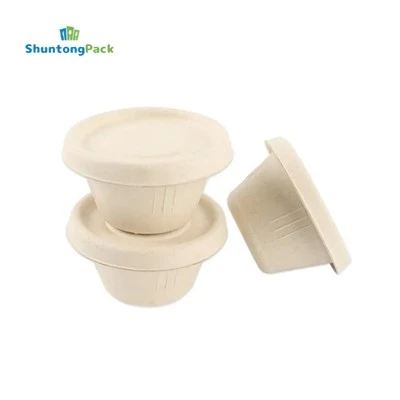
As a supplier of bagasse cutlery, I’ve witnessed the growing interest in sustainable alternatives to traditional plastic cutlery. Bagasse, a fibrous residue left after sugarcane or sorghum stalks are crushed to extract their juice, has emerged as a popular material for creating eco – friendly cutlery. In this blog, I’ll delve into the environmental impact of bagasse cutlery production, exploring its positive aspects as well as some areas where we can still improve.
Positive Environmental Impacts
Renewable Resource
One of the most significant environmental benefits of bagasse cutlery is the use of bagasse itself. Sugarcane and sorghum are renewable resources. These plants grow relatively quickly, with sugarcane typically reaching maturity in 12 – 18 months. Once the juice is extracted for sugar production or other uses, the remaining bagasse would otherwise be considered waste. By using bagasse to make cutlery, we are essentially giving a second life to an abundant and renewable by – product.
This reduces the pressure on non – renewable resources like petroleum, which is the primary material for producing plastic cutlery. The extraction and processing of petroleum have a long – standing negative impact on the environment, including habitat destruction, water pollution, and greenhouse gas emissions. In contrast, the cultivation of sugarcane and sorghum can be part of a more sustainable agriculture cycle, especially when proper farming practices are employed.
Biodegradability
Bagasse cutlery is biodegradable. When disposed of in a composting environment, it can break down naturally within a relatively short period. This is a stark contrast to plastic cutlery, which can take hundreds of years to decompose. In landfills, plastic cutlery accumulates and contributes to the ever – growing problem of waste management. It can also end up in the oceans, where it poses a serious threat to marine life.
Bagasse cutlery, on the other hand, decomposes into organic matter that enriches the soil. It contains nutrients such as nitrogen, phosphorus, and potassium, which are beneficial for plant growth. This means that at the end of its life cycle, bagasse cutlery can actually contribute to a healthier ecosystem rather than becoming a long – term pollutant.
Reduced Greenhouse Gas Emissions
The production of bagasse cutlery generally results in lower greenhouse gas emissions compared to plastic cutlery production. Manufacturing plastic from petroleum involves energy – intensive processes, including extraction, refining, and molding. These processes release large amounts of carbon dioxide and other greenhouse gases into the atmosphere.
In the case of bagasse cutlery, while there are energy requirements for processing the bagasse into cutlery, the overall energy consumption is often lower. Additionally, the carbon dioxide that sugarcane and sorghum absorb during their growth phase can offset some of the emissions produced during cutlery production. This makes bagasse cutlery a more climate – friendly option.
Potential Negative Environmental Impacts
Agricultural Chemical Use
Although sugarcane and sorghum are renewable resources, their cultivation often involves the use of agricultural chemicals such as pesticides and fertilizers. These chemicals can have a negative impact on the environment, including soil degradation, water pollution, and harm to non – target organisms. Runoff from farms can carry these chemicals into nearby water sources, affecting aquatic ecosystems.
As a bagasse cutlery supplier, we are aware of this issue and are increasingly collaborating with farmers who practice sustainable agriculture. By promoting the use of organic farming methods, we can reduce the reliance on harmful chemicals and minimize the environmental impact at the source.
Energy Consumption in Processing
While bagasse cutlery production generally has lower energy requirements than plastic cutlery manufacturing, there is still a significant energy input involved in processing the bagasse into cutlery. The steps include cleaning, drying, and shaping the bagasse, which all require energy, often in the form of electricity or heat.
To mitigate this, we are constantly looking for ways to improve our energy efficiency. This includes upgrading our manufacturing equipment to more energy – efficient models and exploring alternative energy sources such as solar power. By reducing our energy consumption, we can further minimize the environmental footprint of bagasse cutlery production.
Water Usage
The production of bagasse cutlery also requires a certain amount of water, mainly for cleaning the bagasse and during the manufacturing processes. In regions where water is scarce, this can be a concern. Excessive water use can lead to water shortages, affect local water supplies, and disrupt aquatic ecosystems.
To address this issue, we have implemented water – recycling systems in our production facilities. These systems collect and treat the water used in the manufacturing process, allowing it to be reused multiple times. This significantly reduces our overall water consumption and helps to make our production more sustainable.
The Future of Bagasse Cutlery Production
As demand for sustainable products continues to grow, the future of bagasse cutlery production looks promising. We are seeing more and more restaurants, cafes, and consumers turning to bagasse cutlery as an eco – friendly alternative. This increased demand provides an incentive for further research and development in improving the environmental performance of bagasse cutlery production.
We are also exploring new ways to expand the applications of bagasse cutlery. For example, we are looking into developing more complex designs and larger sizes to meet the needs of different customers. Additionally, we are collaborating with other industries to find ways to integrate bagasse cutlery into their operations, further promoting the use of sustainable products.
Conclusion
In conclusion, the environmental impact of bagasse cutlery production is predominantly positive. The use of a renewable resource, biodegradability, and reduced greenhouse gas emissions are all significant advantages. However, there are also some areas where we need to be vigilant, such as agricultural chemical use, energy consumption, and water usage.
As a bagasse cutlery supplier, we are committed to minimizing these negative impacts and continuously improving the sustainability of our production processes. We believe that by working together with farmers, manufacturers, and consumers, we can make bagasse cutlery an even more environmentally friendly option.

If you are interested in learning more about our bagasse cutlery products or are considering a purchase, we would be more than happy to have a discussion with you. Contact us to start a conversation about how we can meet your sustainable cutlery needs.
Bagasse Bowl References
- "Life Cycle Assessment of Sugarcane Bagasse – Based Disposable Tableware: A Case Study in Thailand", Journal of Cleaner Production
- "Renewable Resources in Packaging: An Overview of Sugarcane Bagasse", International Journal of Green Packaging
- "Environmental Impacts of Plastic and Biodegradable Cutlery: A Comparative Analysis", Environmental Science and Pollution Research
Mudanjiang Shuntong Environmental Protection Technology Co., Ltd.
Mudanjiang Shuntong Environmental Protection Technology Co., Ltd. is one of the most professional bagasse cutlery manufacturers and suppliers in China, featured by quality products and good price. Welcome to wholesale eco-friendly bagasse cutlery made in China here and get pricelist from our factory. Contact us for customized service and OEM service.
Address: Shop No.4, Building 1, Ruijing Huating, Hailin City, Mudanjiang City, Heilongjiang Province
E-mail: info03@ecojiaxun.com
WebSite: https://www.shuntongcutlery.com/
