Cold-rolled steel cabinets are a mainstay in industries and homes alike due to their durability, strength, and cost-effectiveness. However, like any steel product, they are prone to corrosion if not properly protected. As a supplier of cold-rolled steel cabinets, I understand the importance of preserving these valuable assets and ensuring their longevity. In this blog post, I’ll share some practical tips and techniques for protecting cold-rolled steel cabinets from corrosion. Cold-Rolled Steel Cabinet
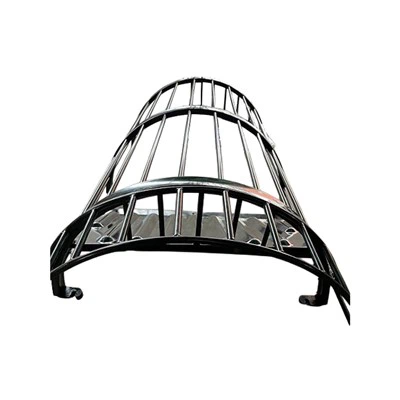
Understanding Corrosion
Before diving into prevention methods, it’s essential to understand what causes corrosion. Corrosion is a natural process that occurs when iron in steel reacts with oxygen and water to form iron oxide, commonly known as rust. In the case of cold-rolled steel cabinets, exposure to moisture, humidity, chemicals, and even salt in coastal areas can accelerate this process.
Selecting High-Quality Materials
The first line of defense against corrosion starts with the raw materials. When sourcing steel for my cabinets, I always focus on high-quality cold-rolled steel. This type of steel undergoes a treatment process that results in a smoother, more uniform surface with fewer impurities. High-grade steel is inherently more resistant to corrosion because it has a smaller grain size and a more stable structure, which makes it less likely to react with the environment.
Coatings and Finishes
One of the most effective ways to protect cold-rolled steel cabinets from corrosion is by applying appropriate coatings and finishes. There are several types available, each with its own advantages.
Powder Coating
Powder coating is a popular choice for steel cabinets due to its durability and aesthetic appeal. It involves applying a dry powder to the cabinet’s surface, which is then cured under heat to form a hard, protective layer. The powder coating provides a barrier between the steel and the environment, preventing moisture and oxygen from reaching the metal. It’s also resistant to chipping, scratching, and fading, making it an ideal long-term solution.
Galvanization
Galvanizing is another proven method for protecting steel from corrosion. It involves applying a layer of zinc to the steel surface, either through hot-dip galvanizing or electro-galvanizing. Zinc acts as a sacrificial anode, meaning it corrodes before the steel does. This provides excellent protection, especially in outdoor or high-moisture environments. Galvanized cabinets are highly resistant to rust and can last for many years without significant deterioration.
Paint
Applying a high-quality paint can also offer good corrosion protection. When painting a cold-rolled steel cabinet, it’s important to prepare the surface properly by cleaning and sanding it to ensure good adhesion. Epoxy paints are particularly suitable because they form a tough, chemical-resistant coating. However, paint may require more maintenance over time, as it can chip or peel, exposing the underlying steel.
Proper Installation and Placement
The way a cabinet is installed and where it’s placed can also have a significant impact on its susceptibility to corrosion.
Installation
During installation, it’s crucial to ensure that the cabinet is properly grounded. This helps to prevent electrical currents from causing galvanic corrosion. Additionally, using non-corrosive fasteners, such as stainless-steel screws or bolts, can prevent the introduction of new sources of corrosion. These fasteners are resistant to rust and won’t contaminate the steel surface.
Placement
Choosing the right location for the cabinet is essential. Avoid placing the cabinet in areas prone to high humidity, such as basements or near steam-generating equipment. If the cabinet is used outdoors, ensure it is sheltered from direct exposure to rain and snow. In industrial settings, be mindful of chemical spills and fumes, which can corrode the steel over time.
Regular Maintenance
Even with the best protective measures in place, regular maintenance is still necessary to keep cold-rolled steel cabinets corrosion-free.
Cleaning
Regular cleaning helps to remove dirt, debris, and contaminants that can promote corrosion. Use a mild detergent and a soft cloth or sponge to clean the cabinet’s surface. Avoid abrasive cleaners or scrubbers, which can scratch the protective coating. After cleaning, dry the cabinet thoroughly to prevent moisture from accumulating.
Inspection
Periodically inspect the cabinet for signs of corrosion, such as rust spots, flaking paint, or discoloration. If you notice any corrosion, address it immediately. For minor spots, you can clean the area and apply a touch-up paint or rust converter. For more extensive corrosion, professional repair or replacement may be necessary.
Lubrication
If the cabinet has moving parts, such as hinges or locks, lubricate them regularly. This helps to prevent rust and ensures smooth operation. Use a lubricant that is suitable for metal surfaces and won’t damage the cabinet’s coating.
Advanced Corrosion Prevention Techniques
In some cases, more advanced corrosion prevention techniques may be required, especially for cabinets used in harsh environments.
Corrosion Inhibitors
Corrosion inhibitors are chemicals that can be added to the environment or applied directly to the steel surface to slow down the corrosion process. They work by forming a thin layer on the metal surface that prevents oxygen and water from reacting with the steel. There are different types of corrosion inhibitors available, such as water-based, oil-based, and vapor-phase inhibitors.
Cathodic Protection
Cathodic protection is a technique used to protect metal structures from corrosion by making them the cathode of an electrochemical cell. This can be achieved through either sacrificial anode cathodic protection or impressed current cathodic protection. In sacrificial anode cathodic protection, a more reactive metal, such as zinc or magnesium, is connected to the steel cabinet. The sacrificial anode corrodes instead of the steel, protecting it from corrosion. Impressed current cathodic protection involves applying an external direct current to the steel to make it cathodic.
Training and Education
As a supplier, I also believe in providing training and education to my customers. By teaching them how to properly care for and protect their cold-rolled steel cabinets, I can help ensure their long-term satisfaction. I offer resources such as user manuals, maintenance guides, and even on-site training to help customers understand the importance of corrosion prevention and how to implement effective strategies.
Conclusion

Protecting cold-rolled steel cabinets from corrosion is a multi-faceted process that requires careful consideration of materials, coatings, installation, maintenance, and environmental factors. As a supplier, I am committed to providing high-quality products and offering the best advice on corrosion prevention. By following these tips and techniques, you can extend the lifespan of your cold-rolled steel cabinets and ensure they remain in excellent condition for years to come.
Cold-Rolled Steel Cabinet If you’re interested in purchasing high-quality cold-rolled steel cabinets or need more information on corrosion prevention, feel free to reach out to me. I’m always happy to discuss your specific requirements and provide customized solutions.
References
- Fontana, M. G., & Greene, N. D. (1967). Corrosion Engineering. McGraw-Hill.
- Uhlig, H. H., & Revie, R. W. (1985). Corrosion and Corrosion Control. Wiley.
- Schweitzer, P. A. (1999). Corrosion Resistance Tables (4th Ed.). Marcel Dekker.
Hangzhou Zhalihui Import And Export Co., Ltd.
We are one of the most experienced cold-rolled steel cabinet manufacturers and suppliers in China, specialized in providing high quality customized products. Please feel free to buy discount cold-rolled steel cabinet in stock here from our factory. Contact us for quotation.
Address: Room 2801, Building 2, Taifu Plaza, No.17, Tonghui Middle Road, Chengxiang Street, Xiaoshan, Hangzhou, Zhejiang
E-mail: Chars_1979@hotmail.com
WebSite: https://www.zhalihui.com/
