Hey there! As a ball valve supplier, I often get asked about the ins and outs of how these valves work, especially the sealing mechanism. So, let’s dive right in and break it down. Ball Valve
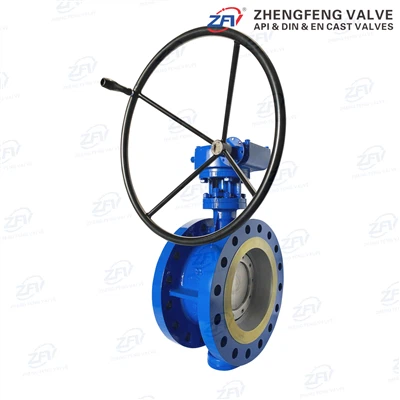
First off, what the heck is a ball valve? Well, it’s a type of valve that uses a hollow, perforated, and pivoting ball to control flow through it. When the ball’s hole aligns with the flow direction, the valve is open, and fluid or gas can pass through. When the ball is rotated a quarter – turn (90 degrees), the solid part of the ball blocks the flow path, and the valve is closed.
Now, onto the sealing mechanism. That’s the key part that makes sure there are no leaks when the valve is closed. There are basically two main types of sealing mechanisms in ball valves: soft sealing and metal – to – metal sealing.
Soft Sealing
Soft – seated ball valves are super common in a whole bunch of industries. The seal in these valves is made from a soft material like PTFE (polytetrafluoroethylene), NBR (nitrile butadiene rubber), or other elastomers.
The way it works is pretty straightforward. When the valve is closed, the ball is pressed against the soft seat. The soft material of the seat can deform slightly to fill in any tiny imperfections on the ball’s surface. This creates a tight seal that’s really good at preventing leaks, even when the pressure is relatively low.
One of the big advantages of soft sealing is that it can provide a bubble – tight seal. That means there’s almost zero leakage, which is crucial in applications where even a small amount of leakage can cause problems. For example, in the food and beverage industry, you don’t want any product to leak out or contaminants to get in. Soft – seated ball valves are also great for low – pressure applications because they don’t need a lot of force to create a good seal.
However, soft – seated ball valves do have some limitations. The soft materials can be damaged by high temperatures, abrasive fluids, or chemicals. For instance, if you’re dealing with a fluid that has a lot of sharp particles in it, those particles can wear down the soft seat over time. And at high temperatures, the soft material might start to lose its shape or become less elastic, which can lead to leaks.
Metal – to – Metal Sealing
Now, let’s talk about metal – to – metal sealing. In these ball valves, both the ball and the seat are made of metal. When the valve is closed, the metal ball and the metal seat come into contact with each other, and the seal is created by the precise machining of their surfaces.
The main advantage of metal – to – metal sealing is its durability. It can handle high temperatures, high pressures, and abrasive or corrosive fluids much better than soft – seated valves. For example, in the oil and gas industry, where operations often involve high – pressure and high – temperature fluids, metal – to – metal ball valves are commonly used. They can also withstand the wear and tear from abrasive particles in the fluid without getting damaged easily.
But metal – to – metal sealing isn’t perfect either. It’s harder to achieve a completely leak – free seal compared to soft – seated valves. Even with very precise machining, there can still be microscopic gaps between the metal surfaces, which can allow some leakage. And because metal is a hard material, it usually requires more force to create a seal. So, the actuators (the devices that open and close the valve) for metal – to – metal ball valves often need to be more powerful.
Factors Affecting Sealing Performance
There are several factors that can affect the sealing performance of a ball valve, regardless of whether it’s using soft or metal – to – metal sealing.
Pressure is a big one. As the pressure in the system increases, the sealing forces need to be stronger to prevent leaks. In soft – seated valves, high pressure can cause the soft material to extrude (squeeze out) from between the ball and the seat if the seat design isn’t right. In metal – to – metal valves, high pressure can put more stress on the surfaces, which might lead to deformation and leakage if the materials aren’t strong enough.
Temperature also plays a crucial role. Different materials have different temperature limits. As mentioned before, soft materials can lose their properties at high temperatures, while metals can expand or contract with temperature changes. If the expansion or contraction isn’t accounted for in the valve design, it can affect the sealing performance.
The quality of the machining is another important factor. For both soft – seated and metal – to – metal valves, the ball and the seat need to be machined with high precision. Any rough spots or out – of – roundness can prevent a proper seal from being formed.
The type of fluid or gas flowing through the valve matters too. Abrasive fluids can wear down the sealing surfaces, while corrosive fluids can attack the materials. Some fluids might also have chemical reactions with the sealing materials, which can change their properties and affect the seal.
Maintenance and Inspection
Proper maintenance and inspection are essential for ensuring the long – term sealing performance of ball valves.
For soft – seated valves, regular inspection of the soft seat is necessary. Look for signs of wear, damage, or chemical attack. If the seat is worn out, it should be replaced promptly. Lubrication can also be important for soft – seated valves. Some soft materials benefit from a little bit of lubrication to reduce friction and prevent sticking.
In metal – to – metal valves, check for signs of surface damage, such as scratches or dents. If there’s minor damage, it might be possible to repair the surfaces through processes like grinding or polishing. But if the damage is severe, the valve components might need to be replaced.
It’s also a good idea to perform pressure tests from time to time to check for leaks. This can help you catch any problems early and prevent major issues down the line.
Why Choose Our Ball Valves?
At our place, we’ve been in the ball valve business for a long time. We offer a wide range of ball valves with different sealing mechanisms to suit various applications. Whether you need a soft – seated valve for a low – pressure, clean fluid application or a metal – to – metal valve for a high – pressure, harsh environment, we’ve got you covered.
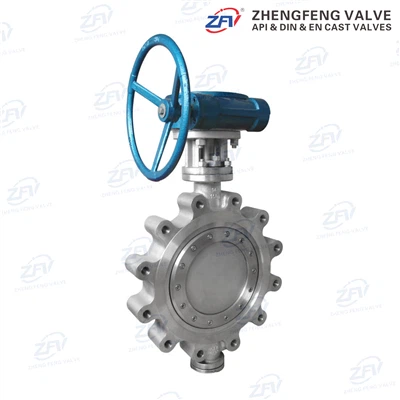
Our valves are made with top – quality materials and are manufactured to the highest standards. We pay close attention to the machining and assembly process to ensure that each valve provides excellent sealing performance. We also offer comprehensive after – sales service, including maintenance tips and replacement parts.
Butterfly Valve If you’re in the market for ball valves, don’t hesitate to reach out to us. We can help you choose the right valve for your specific needs and provide you with all the information you need. Whether you’re a small business or a large industrial company, we’re here to assist you with your ball valve requirements.
References
- "Valve Handbook" by Tristan Rogers
- "Industrial Valves: Selection and Sizing" by Theodore F. Mooney
- Various industry publications on valve technology
Zhejiang Zhengfeng Valve Co., Ltd.
We’re well-known as one of the leading ball valve manufacturers and suppliers in China. With abundant experience, we warmly welcome you to buy bulk advanced ball valve from our factory. If you have any enquiry about cooperation, please feel free to email us.
Address: Hengtong Road, Wuxing Industrial Park, Wenzhou, Zhejiang, China. 325105
E-mail: sales@zfvalve.com
WebSite: https://www.zfvcns.com/
